“My interest in Hinduism began after I came across a photograph of Neem Karoli Baba,” Hollywood icon Julia Roberts shares her spiritual experience

For years, India has occupied a unique space in the global imagination, not merely as a destination, but as a place people turn to while searching for meaning. Among the many international celebrities who have expressed admiration for Indian philosophy and spirituality, Academy Award-winning actor Julia Roberts remains one of the most intriguing examples. Her connection with Hinduism did not emerge from a cinematic storyline or a fleeting cultural curiosity, but from a deeply personal moment that slowly reshaped her inner world. Unlike dramatic celebrity transformations often seen in headlines, Roberts’ spiritual journey unfolded quietly, beginning with something unexpectedly simple: a photograph. Scroll down to know more.
A moment of connection that required no meeting
Roberts has spoken sparingly about her personal beliefs, choosing reflection over proclamation. Yet during a conversation with anchor George Stephanopoulos on the news programme Good Morning America on ABC News, she revealed how her interest in Hinduism first began.She said her interest in Hinduism began after she came across a photograph of Neem Karoli Baba, explaining that she felt an immediate and powerful connection to the spiritual figure. Despite having no prior knowledge about him or his teachings, she experienced a deep and unexplainable sense of attraction.
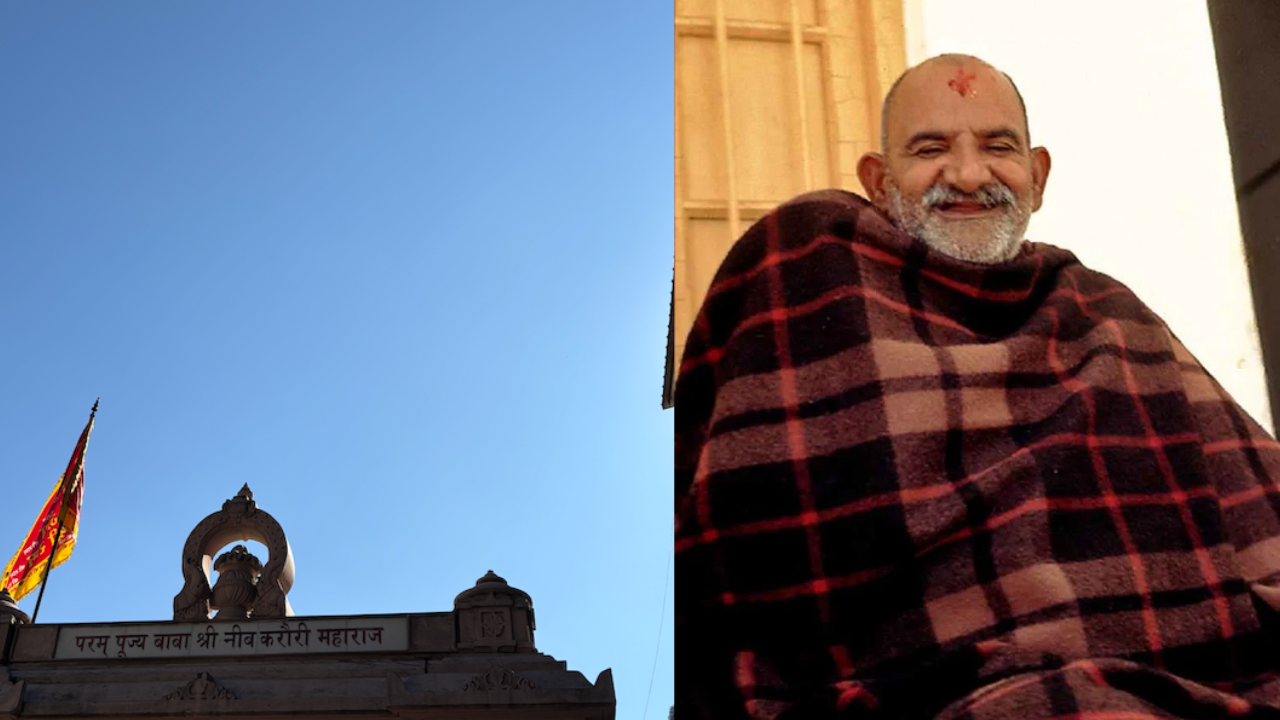
Neem Karoli Baba, who is widely recognized as a revered Hindu saint and whose physical presence in this world came to an end in 1973, has left an enduring impact on countless spiritual seekers over several generations. His influence continues to inspire many individuals, including those who, having never had the opportunity to encounter him in person, feel a profound and inexplicable connection to him. This group includes people like Roberts, who describe a sense of familiarity and belonging that transcends the lack of direct interaction with the saint.When Stephanopoulos asked, “Did you ever meet the man?” Roberts replied, “No. He passed long before I saw his picture but you know just very intriguing, and that is the way things come in to our lives. They are not these big gate-crashing moments”. Her words reflect a philosophy deeply rooted in Indian spiritual thought, that transformation often arrives gently, without spectacle, revealing itself through intuition rather than intention.
A journey inward, not outward
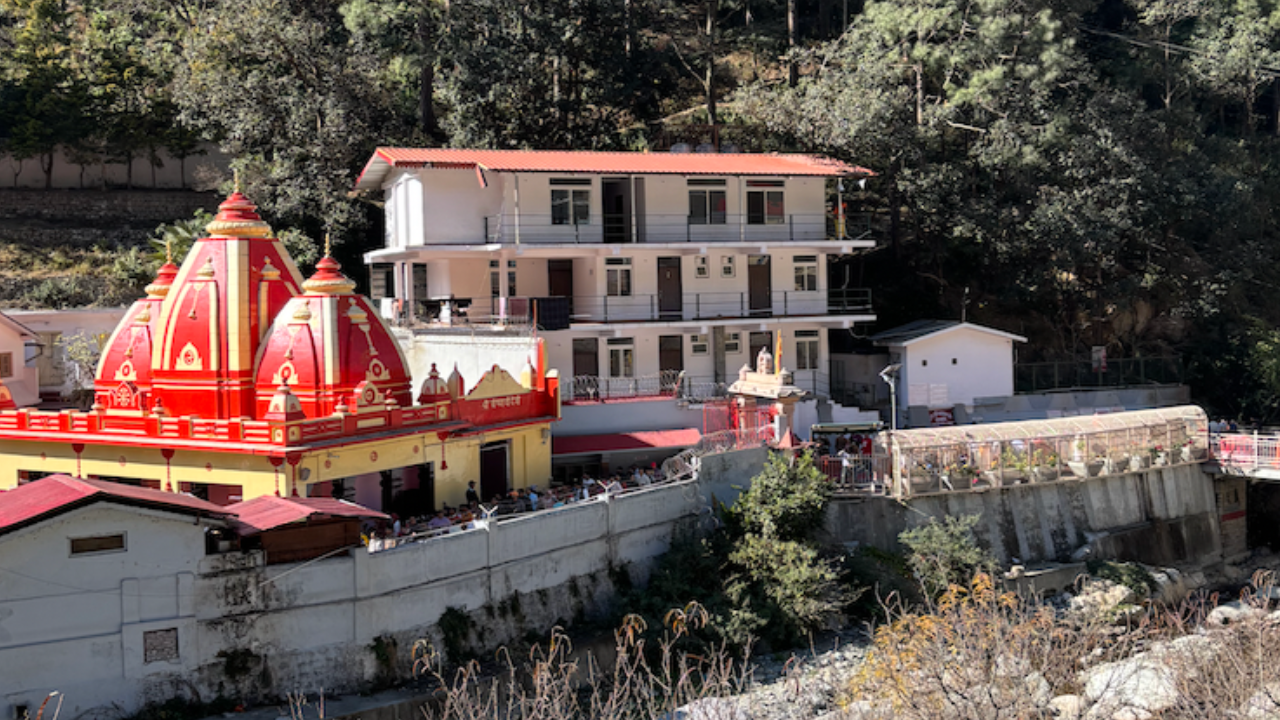
In popular culture, spiritual awakening is often portrayed as dramatic or sudden. Roberts’ experience suggests the opposite. Her curiosity gradually evolved into exploration, eventually leading her to India and to Kainchi Dham, the ashram associated with Neem Karoli Baba.Visitors who make their way to the ashram often share their impressions not as a display of dramatic rituals or grandiose ceremonies, but instead as a profound experience characterized by a deep sense of stillness, where the very essence of silence manifests itself in a sacred expression of prayer. For Roberts, her journey to the ashram seemingly played a significant role in enhancing her commitment to a spiritual path that prioritizes reflection, humility, and the nurturing of inner awareness.
Symbols that quietly reflected a deeper shift
Roberts’ connection with Indian culture appeared not through grand announcements but through subtle, personal choices that reflected an evolving inner journey rather than public declaration.Her professional life carried echoes of this influence when she named her production company Red Om Films, referencing “Om,” the sacred syllable regarded in Hindu tradition as the primordial sound of the universe — the vibration believed to connect creation, consciousness and silence.At that time, there were reports suggesting that Roberts, accompanied by her family, made visits to various temples for the purpose of offering prayers. This activity indicated that her engagement with Indian spirituality was not merely a matter of intellectual curiosity, but instead, represented a genuine spiritual practice that she actively participated in. Such acts, while they may seem subtle at first glance, revealed a deeper connection to Indian spirituality; one that has been influenced and shaped by personal experiences rather than just superficial symbolism.
Why India continues to draw seekers
Roberts’ story resonates because it mirrors a larger pattern seen across decades: artists, writers and public figures turning toward India not for answers imposed from outside, but for questions explored within.
Indian spiritual traditions often place a strong emphasis on the practice of self-inquiry rather than focusing on the notion of conversion. This approach encourages individuals to engage in personal reflection and observation rather than adopting rigid identities or labels. Such openness and flexibility within these traditions create a welcoming environment that allows individuals from various backgrounds to explore and connect with its rich philosophies without feeling the necessity to abandon or forsake their own cultural roots.Roberts’ experience reflects this fluidity. Her attraction to Hinduism was not framed as a rejection of one belief system for another, but as an expansion, a curiosity that deepened into practice through personal resonance.
A spiritual narrative beyond celebrity headlines
In an industry defined by constant visibility, Roberts’ approach stands out precisely because of its quietness. She has neither commercialised nor frequently publicised her spiritual beliefs. Instead, her reflections suggest a private relationship with faith, one shaped by intuition, experience and gradual understanding.In the present day, her bond with India continues to captivate audiences, as it resonates with a sense of authenticity and deep personal significance. This connection serves as a reminder to readers that the journey of spirituality does not necessarily start with a pilgrimage or adherence to formal doctrines. At times, it may begin with a profound feeling, a serene moment of stillness, the visage captured in an old photograph, or a gentle curiosity that nurtures and expands over the course of time.In a society that frequently champions fervor and relentless activity, Julia Roberts’ personal journey presents an alternative viewpoint—one where significance unfolds gradually, nurtured not by grandiosity but by a subtle and persistent inner compass guiding her toward something everlasting.


