Spiritual Home Decor: Sacred Interiors: Why spiritual home elements are now essential, not optional |

Modern homes serve as more than basic physical structures since they function as emotional safe spaces. The past three years have changed how people understand comfort, luxury and success. Interior design has shifted from its previous focus on sleek furniture and aesthetic lighting to creating spiritually meaningful home environments. Saiyam Chutani, Co-Founder, Svastika spells out essential spiritual elements in a home and the need for them.
The Rise of Spiritual Home Decor
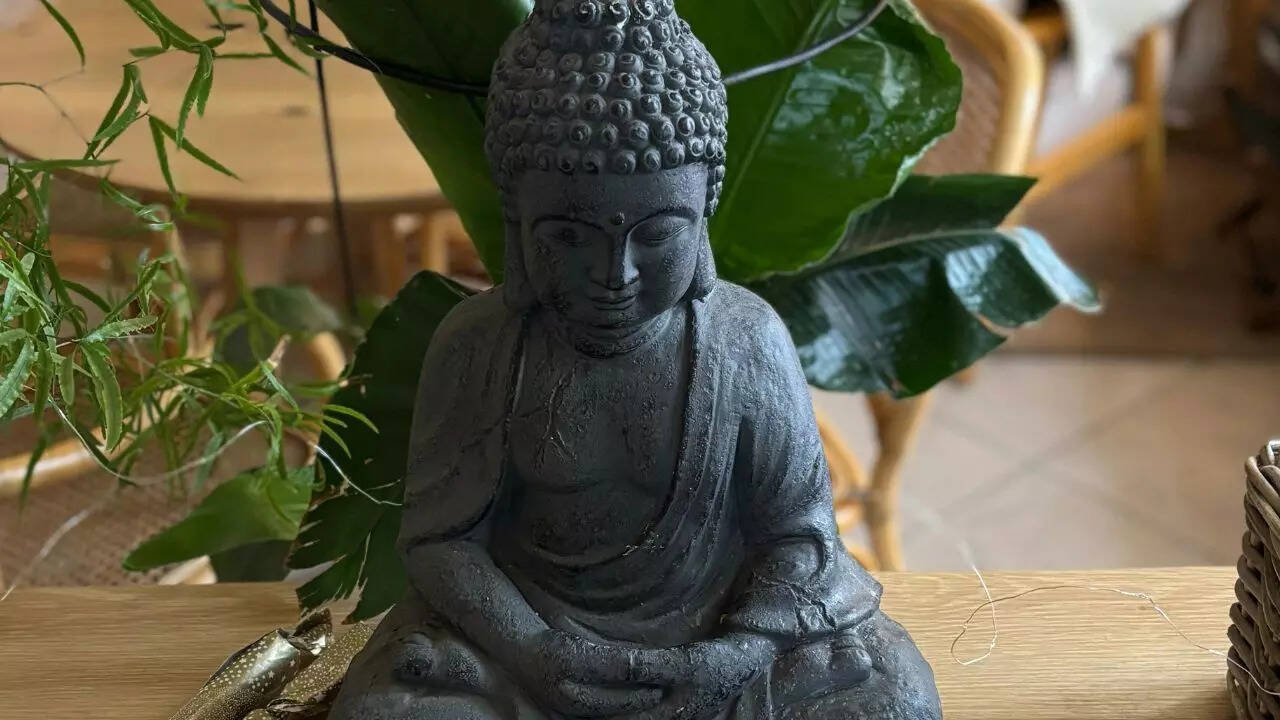
People today search for stability through their home environments because they face continuous interruptions and work demands and digital exhaustion. The contemporary home needs to serve two purposes: it should create a positive experience for visitors and it should help people find mental peace and spiritual balance. Sacred symbols, devotional art, handcrafted idols, meditative corners and consciously designed spiritual accents have transformed into essential elements which people use for their emotional needs.The shift happens for reasons that psychologists explain. Environmental psychology research proves that spaces affect human behavior, stress levels and mental performance. People use spiritual elements in their spaces to create decorative elements that serve as predefined rest areas.
Beyond Traditional Spaces
Spiritual elements used to be limited to a dedicated prayer space. People now use these elements in their daily spaces which include living rooms, workstations, car dashboards and balconies. The practice of spirituality has evolved into a new way of life in modern society. Consumers now demand decorative items that serve multiple functions instead of decorative items; they search for objects that display both symbolic value and traditional heritage and emotional significance. The evolution of this pattern has two main causes which include the modern recognition of Indian artistic traditions and sacred geometry patterns. Ancient symbols such as the Swastika, Om, and lotus motifs are being rediscovered not merely as religious identifiers but as cultural emblems of prosperity, balance and auspicious beginnings. Contemporary design language which uses minimal finishes and muted tones and compact forms enables their design elements to match contemporary interior design.
Young Homeowners Bringing Modern Living
The transition is primarily driven by young homeowners and first-time buyers who operate as the main force of change. They find success through property ownership which enables them to create a home that serves as their personal sanctuary. They desire residences that support their goals while maintaining their connection to their present community. Spiritual décor serves as a bridge between aspiration and ancestry.The rise of this phenomenon presents itself as a movement that exists outside the realm of conventional practices to promote mindfulness meditation. The post-pandemic world has heightened awareness about mental well-being. People started understanding how their indoor environment affects their mental state after they spent a long time indoors.
Functionality And Spiritual Adoption
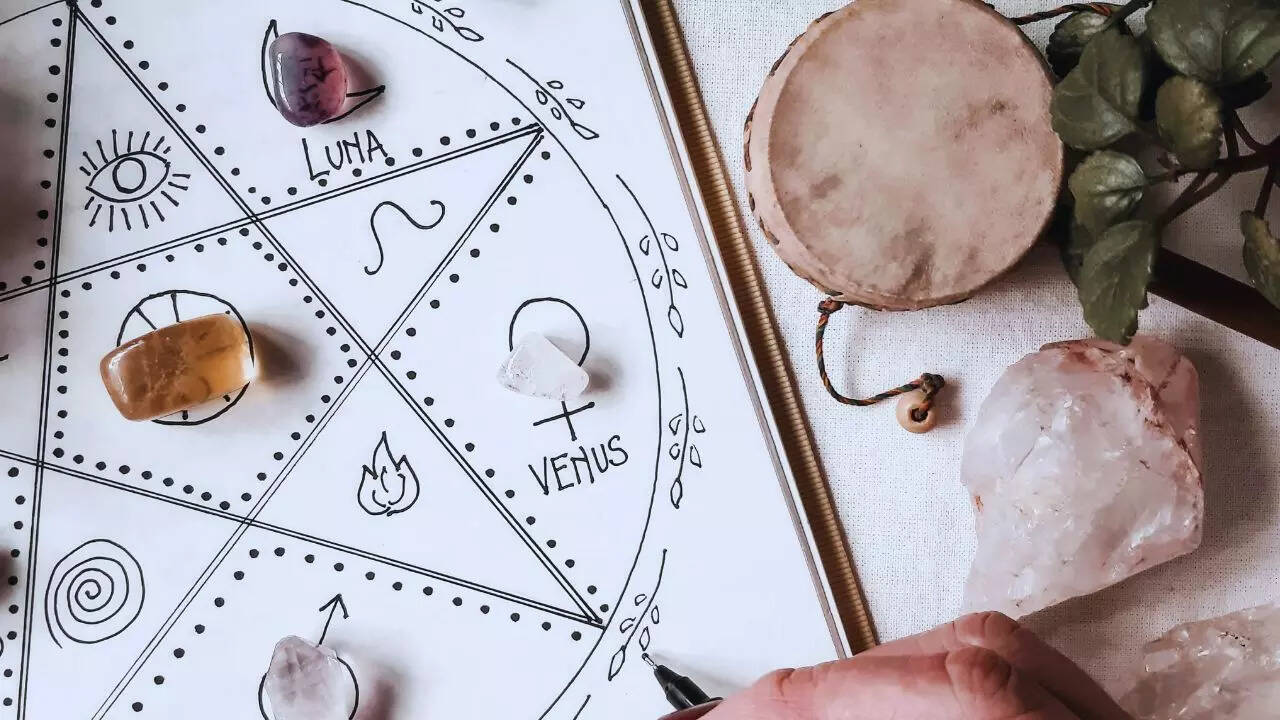
Modern homes are increasingly integrating spiritual elements that serve both functional and emotional purposes.
- Practical Use of Spiritual Artifacts: Small idols, wall decor, and movable spiritual artifacts offer a way to add a personal touch without clutter. Urban-friendly designs provide durability with urban lifestyle suitability.
- Intergenerational Dialogue: Sacred Interiors can initiate discussion between different generations. For instance, grandparents promote tradition, and millennials focus on aesthetics, while children can also gain cultural insights from visual and symbolic representations.
- Storytelling and Intentional Spaces: Idols, being handmade objects of art and tradition, possess an inherent ability to narrate and infuse intention in specific spaces to transform a home into a mindful space.
- Commitment to Balance and Gratitude: The spiritual components identify such benefits as gratitude, balance, and living consciously. It is like getting reminders on a daily basis.
The Future of Sacred Interiors
The forthcoming period of interior design development will establish its identity through elements that extend beyond color schemes and furniture design.
- The determination of future design trends will occur through emotional connections.
- The essential elements that define spiritual home spaces now serve as fundamental components of residential designs.
- The elements function as essential support systems for people living in a world filled with excessive sensory input.
- The elements provide people with daily proof that they can maintain their drive while still making time for peaceful moments.
Sacred interiors use design elements to create spaces that bring people closer to their spiritual beliefs.