Tula Vishu Punyakalam and Tula Kaveri Snanam Begins
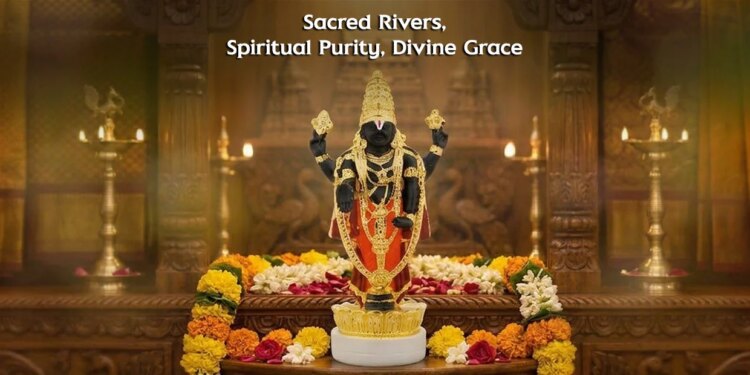
Tula Vishu Punyakalam and Tula Kaveri Snanam are spiritual rituals that start when the Tula month begins. In South India many people pray, go to temples and take a bath in the sacred Kaveri River. Tula means Libra. This time begins when the Sun moves into Tula Rashi. Different places may call the observance by names or do slightly different customs.
The Tula period is seen as a time for prayer, charity and spiritual practice. Devotees believe that doing rituals during Tula Vishu Punyakalam brings peace and spiritual merit. The start of Tula Kaveri Snanam is especially important for people who live along the Kaveri basin because the river is respected as a source of water and as Goddess Kaveri. This tradition reminds us to thank nature and the rivers that sustain life.
What is Tula Vishu Punyakalam?
Tula Vishu Punyakalam means the period when the Sun enters Tula Rashi. Punyakalam means an meritorious time. Devotees think this time is good for taking a bath praying, going to temples giving charity and remembering ancestors. They follow these practices because they believe that spiritual activities during a time have special importance.
For Hindu families the start of a new solar month is a chance to pause from daily work and focus on prayer. People often wake up early take a bath and visit a temple. Some families also give food, clothes or other useful items to those in need as part of their observance.
The exact customs may differ from one community to another. What stays the same is the idea of using Tula Vishu Punyakalam as a time for purification, gratitude and devotion. Tula Vishu Punyakalam is not about a specific ritual but also about starting the period with a calm and positive mind.
Tula Kaveri Snanam Begins
Tula Kaveri Snanam is the bathing tradition that takes place during the Tula month. In Tamil Nadu this time is linked with Aippasi. Usually occurs in October and November. Devotees go to the Kaveri River. Take an early morning holy bath especially at important bathing spots along the river. Hindu Blog
Traditional belief says that a bath in the Kaveri during this time has spiritual value. Many devotees think that sacred rivers and divine energy are in the Kaveri during the Tula month. Because of this belief a holy dip is seen as a way to clean oneself spiritually and ask for the blessings of Goddess Kaveri.
Important Kaveri pilgrimage centres become busy during this time. Places like Mayiladuthurai, Srirangam, Kumbakonam and other spots along the river attract devotees for bathing and temple visits. People also offer prayers perform rituals for ancestors and spend time at temples. Hindu Blog
Tula Sankramana and the Sacred Kaveri
Tula Sankramana is closely linked to the start of this period. It is especially important at Talakaveri in Kodagu, Karnataka, which is traditionally seen as the birthplace of the Kaveri River. The main event is called Theerthodbhava, when sacred water is believed to come out of the Brahma Kundike at a moment. Thousands of devotees gather at Talakaveri and Bhagamandala to pray and perform rituals. Utsav
The Kaveri is worshipped as a mother goddess in traditions. She is deeply connected with agriculture, communities and the lives of people across Karnataka and Tamil Nadu. Kaveri Sankramana is more than an event. It is also a celebration of the river and its importance to the land and its people.
In 2026 Tula Sankramana is observed on October 17. The Theerthodbhava tradition at Talakaveri is the part of the celebration. Devotees also visit Bhagamandala, where the Kaveri, Kannike and the identified underground Sujyoti meet at the sacred confluence. Hindu Blog
Spiritual Importance of Tula Kaveri Snanam
The main purpose of Tula Kaveri Snanam is purification. Devotees believe that a holy bath in the Kaveri during the Tula month washes, past sins and brings blessings, peace and good fortune. These are religious beliefs that many families follow with deep faith.
The ritual also encourages people to start the day and spend time in prayer. After the bath devotees may offer flowers, lamps and other items to the river. Visit a nearby temple. Some also perform tarpanam and other ancestral rituals according to their family traditions.
There is also a message behind this observance. Rivers give water to people, animals and farms. Respecting rivers has always been a part of Indian culture. Tula Kaveri Snanam gives devotees a chance to show gratitude to Kaveri and to remember how important rivers are in life.
How Devotees Observe the Day.
Devotees usually wake up early take a bath and put on clothes before they start their prayers. Those who can visit the Kaveri may take a dip in the river or at a special bathing place. They then offer prayers. Go to a temple. People who cannot travel to the river can observe the day at home by praying, giving charity and following family traditions.
It is important to follow instructions while bathing in a river especially on busy festival days. Children and elderly family members should be accompanied carefully. Devotees should avoid entering restricted areas.
Tula Vishu Punyakalam and Tula Kaveri Snanam bring together devotion, tradition and respect for nature. For devotees this is a time to pray, give remember their ancestors and seek blessings. Importantly the observance keeps alive the deep cultural connection, between people, sacred rivers and the traditions passed down through generations.